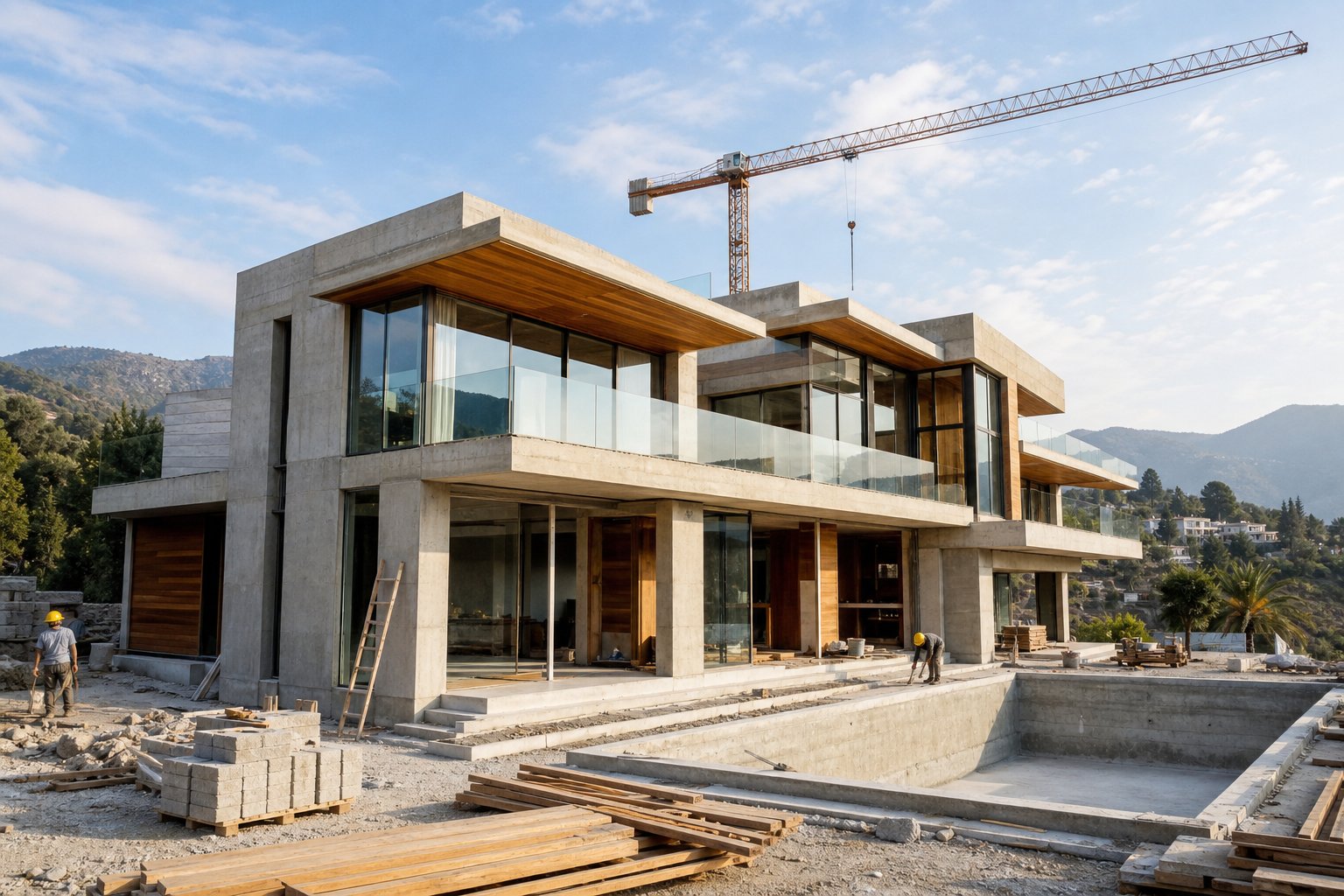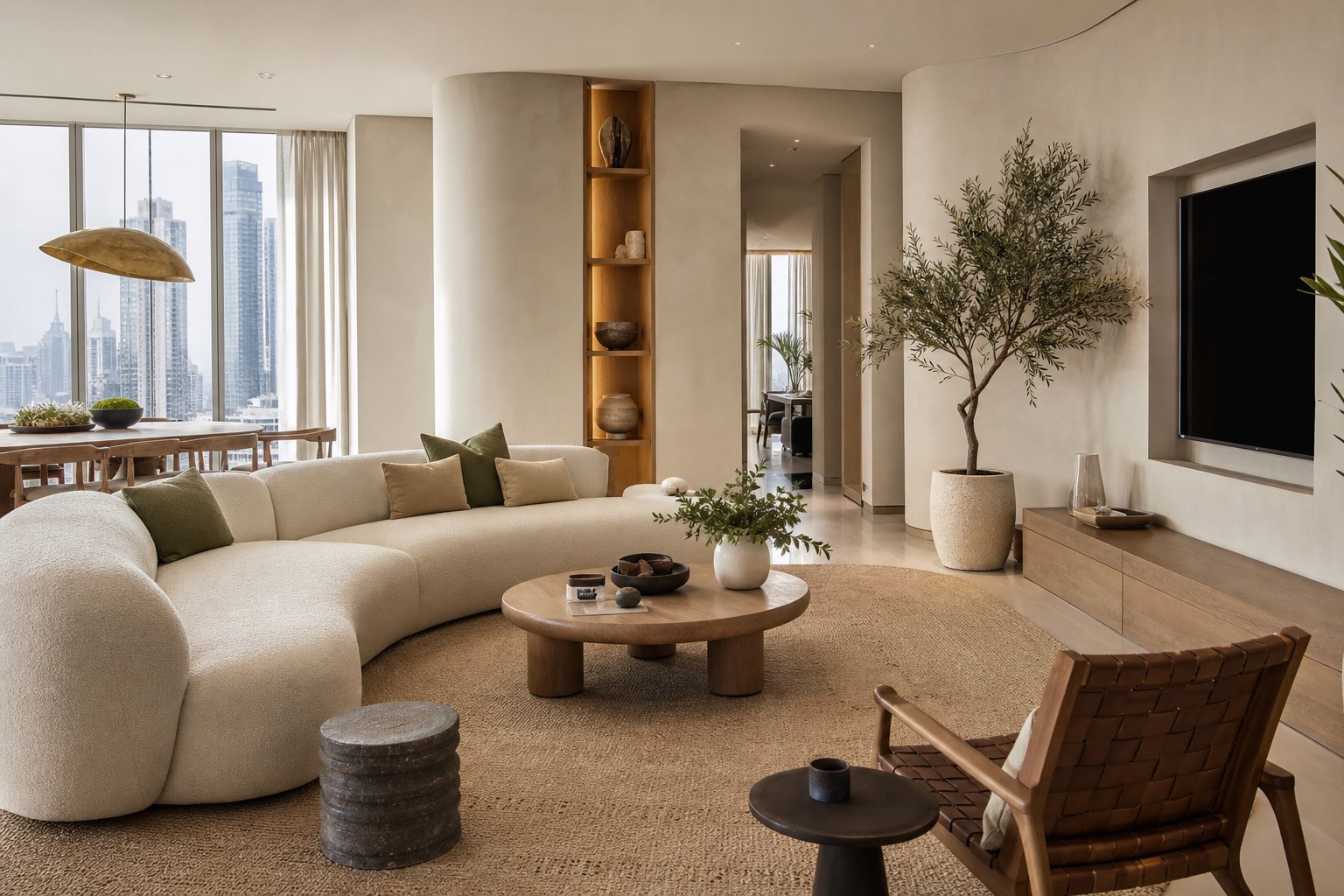
Kitchens, bathrooms, gardens, or a full strip-out — where renovation money works hardest.
The honest answer: it depends on who is paying
If you are renovating to sell or let, the calculation is about appeal and speed of transaction. If you are renovating to live, the calculation is about daily comfort and long-term running costs.
Both are valid, but they lead to different spending priorities — and the second one quietly saves money over a decade.
Highest impact for resale and rentals
When the goal is a faster sale or a higher rent, these consistently rank at the top:
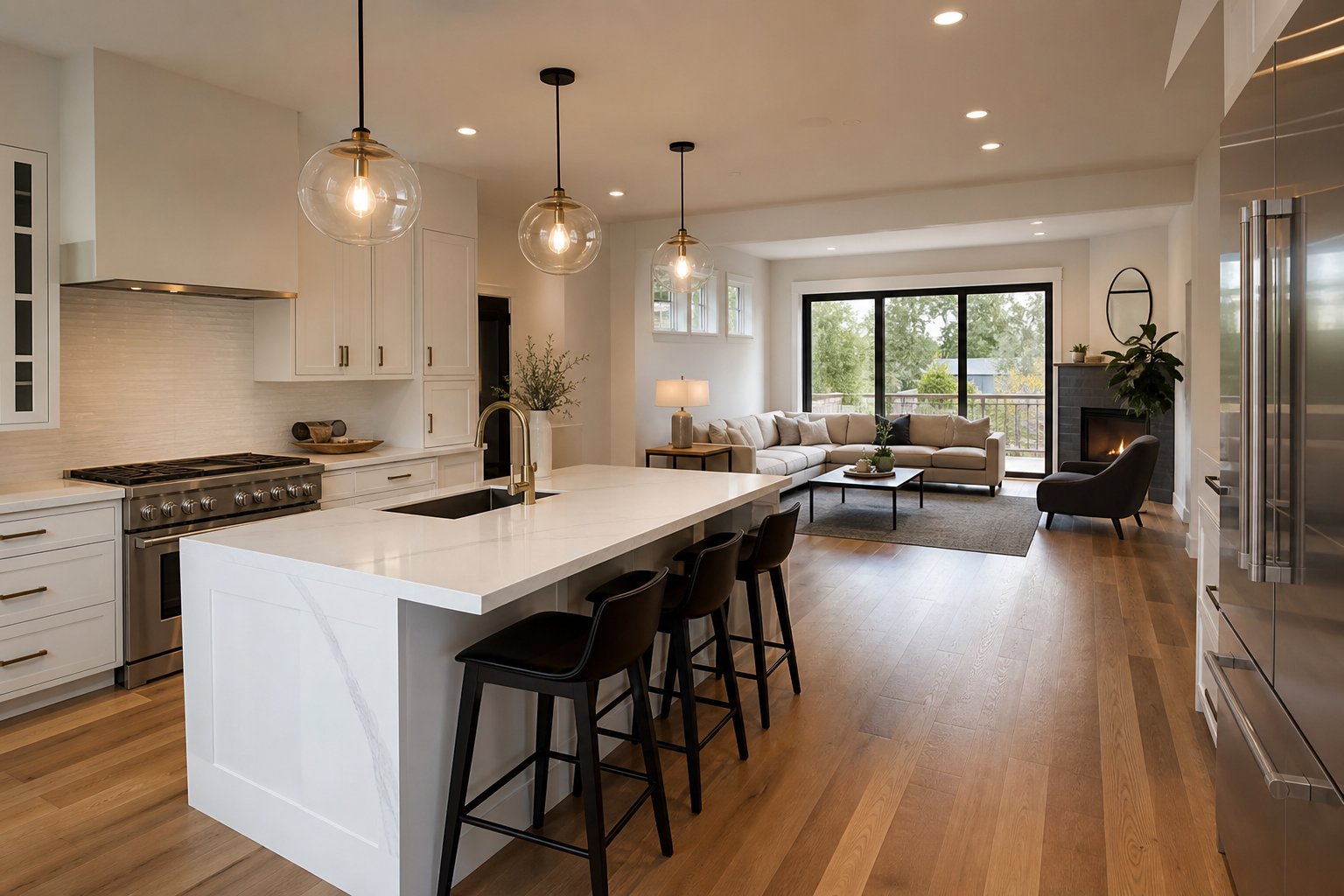
- Kitchen replacement — the single most scrutinised room during viewings.
- Bathrooms — dated tiling, sealing and fixtures immediately age a property.
- Lighting and paint — the cheapest transformation per dirham spent.
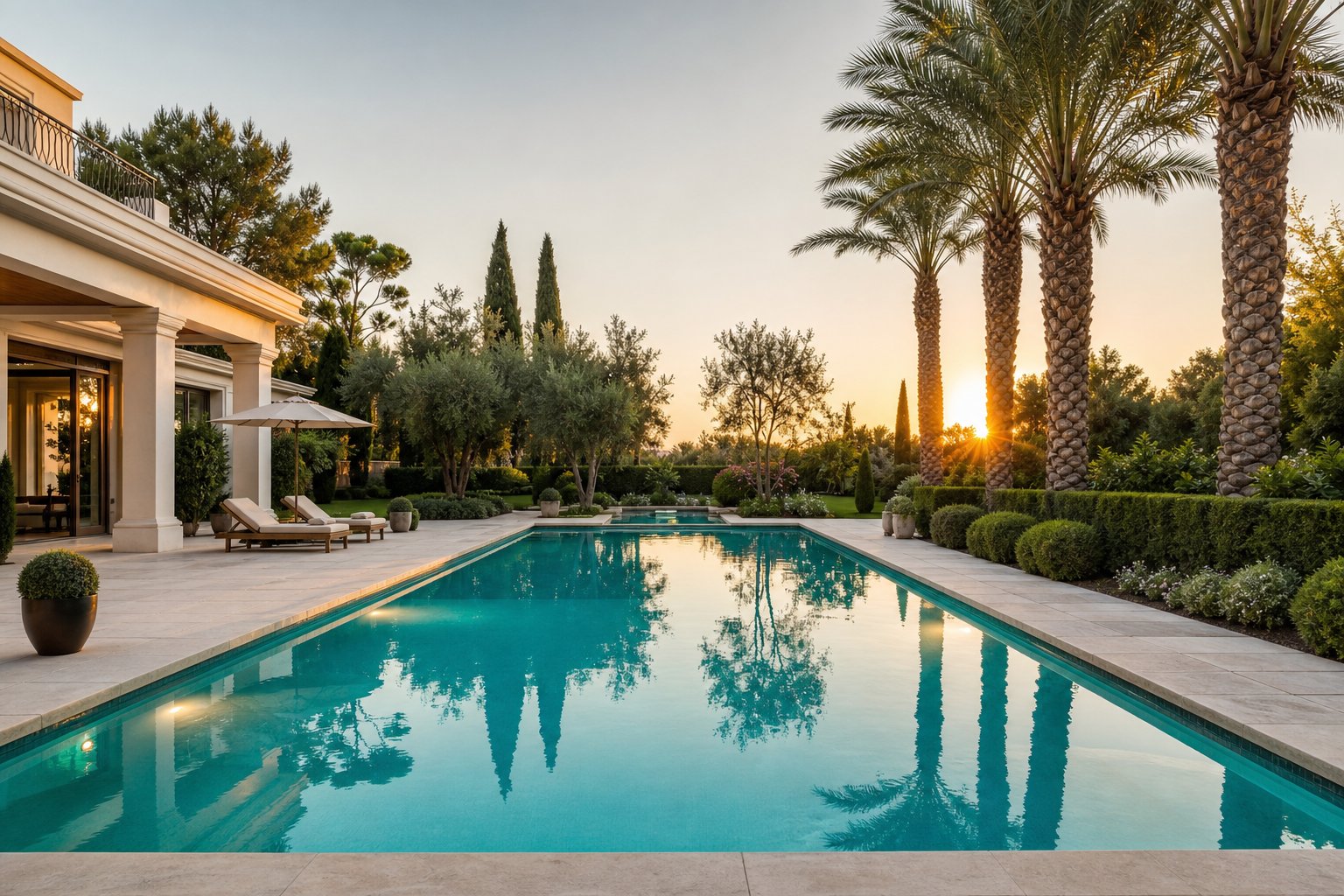
- Outdoor space — shade, paving and a watertight pool.
- The entrance and boundary wall — first impressions before anyone steps inside.
Highest impact for living comfort
For occupied homes, our clients most often prioritise waterproofing and leak repair, HVAC balancing, kitchen functionality, storage and joinery, and automation for lighting and AC.
These rarely look dramatic in photographs, but they change how the house feels every single day — and they prevent small problems from becoming structural ones.
How to phase renovation sensibly
Phase by building system, not by room. Waterproofing, plumbing and electrical upgrades must be done once, before finishes, or you will break finished surfaces to reach them later.
Sequence: diagnosis, wet areas and services, joinery, finishes, decoration. Done in that order, a renovation can be phased over two seasons without paying for anything twice.

Rahman writes for Alruqi Almotamiza on construction, approvals and delivery practice in the UAE.